Pixelating breaks an image into chunky blocks — a quick way to censor sensitive details or give a photo a retro, mosaic look. A slider controls how large the blocks are.
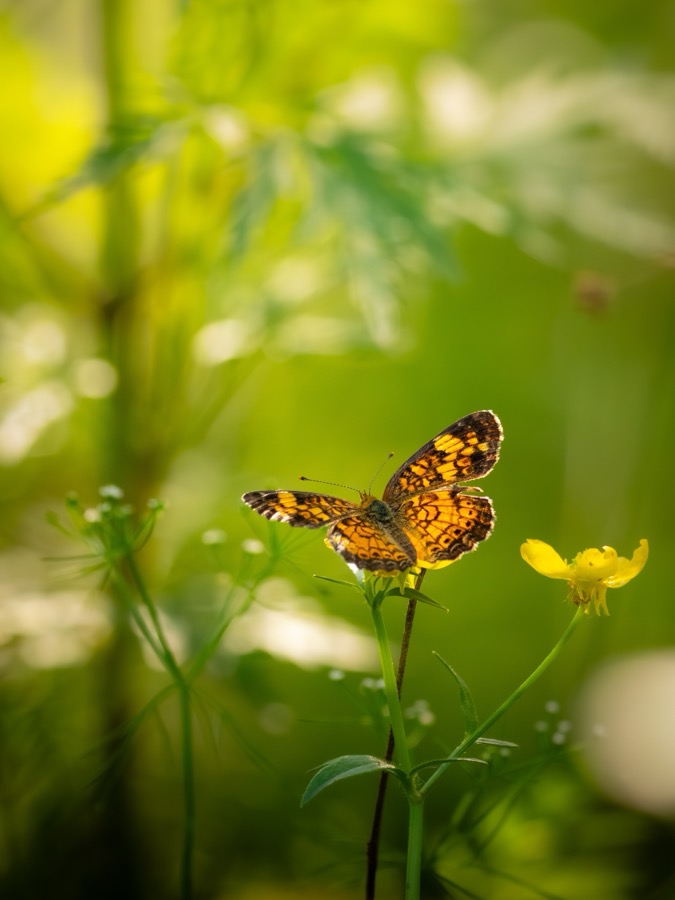 Before
 Pixelated
Everything runs in your browser, so the image stays private.
How to use Pixelate an Image
Using Pixelate an Image takes only a few seconds and just four simple steps — no sign-up, no software, and nothing to learn:
- Upload an image: Add the photo you want to pixelate.
- Set the block size: Slide to make the mosaic blocks larger or smaller.
- Preview: See the pixelated effect update live.
- Download: Save the pixelated image.
What you can do with Pixelate an Image
Pixelate an Image is built to do one job well, and gives you everything you need to get it exactly right:
Adjustable blocks. Fine mosaic or large censor-style blocks.
Good for censoring. Obscures faces, plates, or text more reliably than blur.
Live preview. Tune the effect and see it instantly.
Free and private. No upload, no watermark.
Censor or stylise in one slider
Pixelation is the most recognisable way to hide a detail while showing that something was there — and it doubles as a fun retro effect. This tool makes the block size adjustable so you can balance privacy and look.
Whether you need it once or every day, Pixelate an Image keeps the process quick and predictable. Because it focuses on a single task, there are no crowded menus to wade through — you open the page, set what you need, and get your result. That simplicity is exactly why a dedicated image tool beats a heavyweight editor for a job like this.
Everything runs in your browser
Unlike most online tools, Pixelate an Image never uploads your image to a server. The moment you choose a file, it is processed right here in your web browser using your own device's power. Nothing is sent over the internet, nothing is stored, and nothing is shared with anyone.
That gives you two real advantages. First, it is private: sensitive documents, ID photos and personal files never leave your computer or phone. Second, it is fast — there is no slow upload or download round-trip, so even large files are handled almost instantly. And it is completely free, with no watermark added to your result and no account required.
Tips for the best results
- Start from the highest-quality original you have — the better the input, the better the result from Pixelate an Image.
- Check the exact requirement — size, dimensions, or format — before you begin, so you only need to do it once.
- Adjustable blocks: Fine mosaic or large censor-style blocks.
- Good for censoring: Obscures faces, plates, or text more reliably than blur.
- Everything is repeatable — if the result isn't quite right, just adjust the settings and run it again. Nothing is uploaded, so you can try as many times as you like.
Frequently asked questions
Is pixelation reversible?
Heavy pixelation discards detail and is hard to undo, which is why it's used for censoring. Keep an original copy if you need it.
Pixelate or blur for hiding faces?
Pixelation with large blocks is generally harder to reverse than a light blur, so it's the safer choice for privacy.
Does it cover the whole image?
Yes — this applies the mosaic to the entire photo.
Is Pixelate an Image free to use?
Yes — Pixelate an Image is completely free. There is no account to create, no subscription, and no watermark added to your result. Use it as many times as you need.
Do I need to install anything?
No. Pixelate an Image runs entirely in your web browser on any modern device — Windows, Mac, Android or iPhone. There is nothing to download or install.
Ready to start? Scroll back to the top, drop your image into Pixelate an Image, and download the finished file in seconds — free, private, and right inside your browser.